Being Indian
Book Details
• Publisher: Penguin Books
• Language: English
• Published Year: 2004
• Pages: 238
• Dimensions: 21 x 14 cm
• ISBN: 0143033425
• Book Condition: Used – Good
• Condition Note: Book is in good condition
• Availability: In Stock
About the Book
Being Indian by Pavan K. Varma is a thoughtful exploration of the complexities, contradictions, and cultural realities that shape Indian identity. The book examines how historical traditions, social structures, and modern aspirations influence the way Indians think, behave, and interact within society.
Through insightful analysis and engaging observations, the author discusses various aspects of Indian life including social hierarchy, cultural pride, adaptability, spirituality, and the coexistence of tradition and modernity. Varma reflects on how Indians balance deep-rooted cultural values with the pressures and opportunities of a rapidly changing world.
The book also addresses the paradoxes present in Indian society, such as the coexistence of economic progress with social inequalities and the contrast between public ideals and everyday practices. By analyzing these themes, the author encourages readers to better understand the strengths, challenges, and unique characteristics of Indian civilization.
Being Indian offers an accessible and thought-provoking perspective for readers interested in culture, sociology, politics, and contemporary Indian society. It remains an engaging work for anyone seeking to understand the many dimensions of India’s national character.
Product Information
Product Information
Shipping & Returns
Shipping & Returns
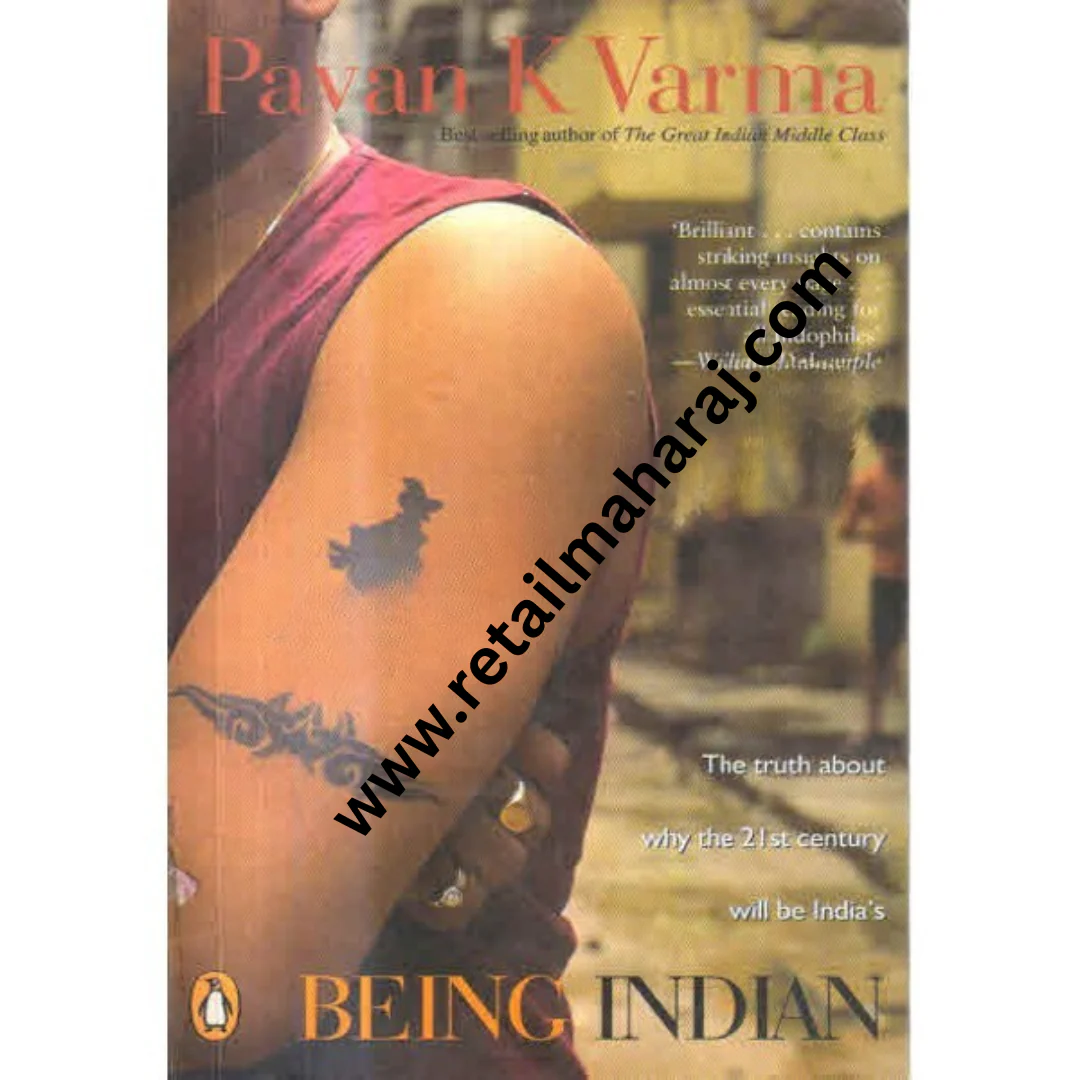
Being Indian
Being Indian
Book Details
• Publisher: Penguin Books
• Language: English
• Published Year: 2004
• Pages: 238
• Dimensions: 21 x 14 cm
• ISBN: 0143033425
• Book Condition: Used – Good
• Condition Note: Book is in good condition
• Availability: In Stock
About the Book
Being Indian by Pavan K. Varma is a thoughtful exploration of the complexities, contradictions, and cultural realities that shape Indian identity. The book examines how historical traditions, social structures, and modern aspirations influence the way Indians think, behave, and interact within society.
Through insightful analysis and engaging observations, the author discusses various aspects of Indian life including social hierarchy, cultural pride, adaptability, spirituality, and the coexistence of tradition and modernity. Varma reflects on how Indians balance deep-rooted cultural values with the pressures and opportunities of a rapidly changing world.
The book also addresses the paradoxes present in Indian society, such as the coexistence of economic progress with social inequalities and the contrast between public ideals and everyday practices. By analyzing these themes, the author encourages readers to better understand the strengths, challenges, and unique characteristics of Indian civilization.
Being Indian offers an accessible and thought-provoking perspective for readers interested in culture, sociology, politics, and contemporary Indian society. It remains an engaging work for anyone seeking to understand the many dimensions of India’s national character.
Product Information
Product Information
Shipping & Returns
Shipping & Returns
Description
Book Details
• Publisher: Penguin Books
• Language: English
• Published Year: 2004
• Pages: 238
• Dimensions: 21 x 14 cm
• ISBN: 0143033425
• Book Condition: Used – Good
• Condition Note: Book is in good condition
• Availability: In Stock
About the Book
Being Indian by Pavan K. Varma is a thoughtful exploration of the complexities, contradictions, and cultural realities that shape Indian identity. The book examines how historical traditions, social structures, and modern aspirations influence the way Indians think, behave, and interact within society.
Through insightful analysis and engaging observations, the author discusses various aspects of Indian life including social hierarchy, cultural pride, adaptability, spirituality, and the coexistence of tradition and modernity. Varma reflects on how Indians balance deep-rooted cultural values with the pressures and opportunities of a rapidly changing world.
The book also addresses the paradoxes present in Indian society, such as the coexistence of economic progress with social inequalities and the contrast between public ideals and everyday practices. By analyzing these themes, the author encourages readers to better understand the strengths, challenges, and unique characteristics of Indian civilization.
Being Indian offers an accessible and thought-provoking perspective for readers interested in culture, sociology, politics, and contemporary Indian society. It remains an engaging work for anyone seeking to understand the many dimensions of India’s national character.