CLASS FORMATION IN THE PLANTATION SYSTEM
Book Details
-
Author: SHARIT BHOWMIK
-
Edition: MAY 1981
-
Multiple Book Set: No
About the Book
In this insightful study, SHARIT BHOWMIK delves into the complexities of class formation among adivasi (tribal) workers in tea plantations. While these workers objectively form a class as sellers of their labor, the inter-tribal divisions among them create a dichotomy that separates their shared economic life from their varied, stratified social life. The book highlights how the isolation of the plantation and the pre-industrial nature of labor-management relations further complicate the process of class formation. By exploring these multifaceted issues, Bhowmik provides a comprehensive analysis of the challenges faced by these workers in terms of social stratification and economic identity.
Product Information
Product Information
Shipping & Returns
Shipping & Returns
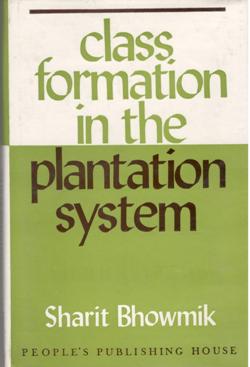
CLASS FORMATION IN THE PLANTATION SYSTEM
CLASS FORMATION IN THE PLANTATION SYSTEM
Book Details
-
Author: SHARIT BHOWMIK
-
Edition: MAY 1981
-
Multiple Book Set: No
About the Book
In this insightful study, SHARIT BHOWMIK delves into the complexities of class formation among adivasi (tribal) workers in tea plantations. While these workers objectively form a class as sellers of their labor, the inter-tribal divisions among them create a dichotomy that separates their shared economic life from their varied, stratified social life. The book highlights how the isolation of the plantation and the pre-industrial nature of labor-management relations further complicate the process of class formation. By exploring these multifaceted issues, Bhowmik provides a comprehensive analysis of the challenges faced by these workers in terms of social stratification and economic identity.
Product Information
Product Information
Shipping & Returns
Shipping & Returns
Description
Book Details
-
Author: SHARIT BHOWMIK
-
Edition: MAY 1981
-
Multiple Book Set: No
About the Book
In this insightful study, SHARIT BHOWMIK delves into the complexities of class formation among adivasi (tribal) workers in tea plantations. While these workers objectively form a class as sellers of their labor, the inter-tribal divisions among them create a dichotomy that separates their shared economic life from their varied, stratified social life. The book highlights how the isolation of the plantation and the pre-industrial nature of labor-management relations further complicate the process of class formation. By exploring these multifaceted issues, Bhowmik provides a comprehensive analysis of the challenges faced by these workers in terms of social stratification and economic identity.