Note Gach O Onnyanyo Lekha (Bengali Version)
Book Details
-
Author: Bratya Basu
-
Author: Dr. Samudra Basu
-
Publisher: Deep Prakashan
-
Binding: Hardcover
-
Number of Pages: 210
-
ISBN: 9789349189645
-
Language: Bengali
About the Book
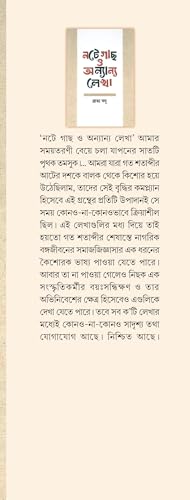
Note Gach O Onnyanyo Lekha (Bengali Version) is a collection of seven deeply personal and reflective writings that capture different moments and experiences from the author’s life. These episodes, arranged along the timeline of memory, offer a vivid compendium of the emotional and intellectual growth of individuals who grew from boyhood to adolescence during the 1980s.
Through these narratives, readers are introduced to a subtle yet insightful commentary on Bengali social life, its cultural transitions, and the evolving consciousness of a generation. Whether viewed as a social inquiry or simply the coming-of-age journey of a cultural worker discovering his world, each piece holds its own significance while collectively forming a cohesive portrait of time, memory, and identity.
The writings share an intrinsic connection—sometimes evident, sometimes implied—but always meaningful. This thoughtful blend of introspection and cultural observation makes the book a compelling read for anyone interested in Bengali literature, personal essays, and socio-cultural reflections.
Product Information
Product Information
Shipping & Returns
Shipping & Returns
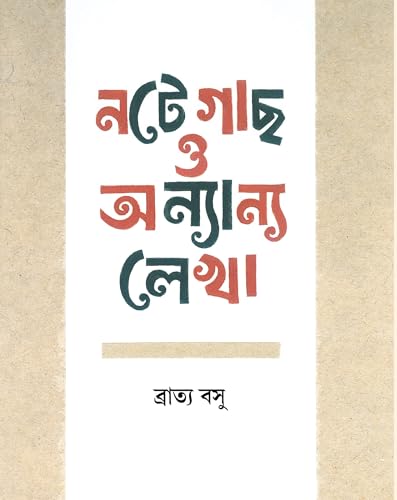
Note Gach O Onnyanyo Lekha (Bengali Version)
Note Gach O Onnyanyo Lekha (Bengali Version)
Book Details
-
Author: Bratya Basu
-
Author: Dr. Samudra Basu
-
Publisher: Deep Prakashan
-
Binding: Hardcover
-
Number of Pages: 210
-
ISBN: 9789349189645
-
Language: Bengali
About the Book
Note Gach O Onnyanyo Lekha (Bengali Version) is a collection of seven deeply personal and reflective writings that capture different moments and experiences from the author’s life. These episodes, arranged along the timeline of memory, offer a vivid compendium of the emotional and intellectual growth of individuals who grew from boyhood to adolescence during the 1980s.
Through these narratives, readers are introduced to a subtle yet insightful commentary on Bengali social life, its cultural transitions, and the evolving consciousness of a generation. Whether viewed as a social inquiry or simply the coming-of-age journey of a cultural worker discovering his world, each piece holds its own significance while collectively forming a cohesive portrait of time, memory, and identity.
The writings share an intrinsic connection—sometimes evident, sometimes implied—but always meaningful. This thoughtful blend of introspection and cultural observation makes the book a compelling read for anyone interested in Bengali literature, personal essays, and socio-cultural reflections.
Product Information
Product Information
Shipping & Returns
Shipping & Returns
Description
Book Details
-
Author: Bratya Basu
-
Author: Dr. Samudra Basu
-
Publisher: Deep Prakashan
-
Binding: Hardcover
-
Number of Pages: 210
-
ISBN: 9789349189645
-
Language: Bengali
About the Book
Note Gach O Onnyanyo Lekha (Bengali Version) is a collection of seven deeply personal and reflective writings that capture different moments and experiences from the author’s life. These episodes, arranged along the timeline of memory, offer a vivid compendium of the emotional and intellectual growth of individuals who grew from boyhood to adolescence during the 1980s.
Through these narratives, readers are introduced to a subtle yet insightful commentary on Bengali social life, its cultural transitions, and the evolving consciousness of a generation. Whether viewed as a social inquiry or simply the coming-of-age journey of a cultural worker discovering his world, each piece holds its own significance while collectively forming a cohesive portrait of time, memory, and identity.
The writings share an intrinsic connection—sometimes evident, sometimes implied—but always meaningful. This thoughtful blend of introspection and cultural observation makes the book a compelling read for anyone interested in Bengali literature, personal essays, and socio-cultural reflections.