Sahitya Bhasha Ani Samaj
Book Details
• Author: Milind Bokil
• Category: Samiksha
• Pages: 124
• Cover: Hardbound
• ISBN: 9789350911105
About the Book
Sahitya Bhasha Ani Samaj is a critical exploration by Milind Bokil that examines the intricate relationship between literature, language, and society. The book explores how language shapes literature and how literature, in turn, influences social norms, values, and consciousness. By analyzing this dynamic interplay, the author provides a deeper understanding of the role of literature in reflecting and shaping societal structures. This samiksha volume is a valuable resource for students, scholars, and anyone interested in the intersection of literature, linguistics, and social thought.
Product Information
Product Information
Shipping & Returns
Shipping & Returns
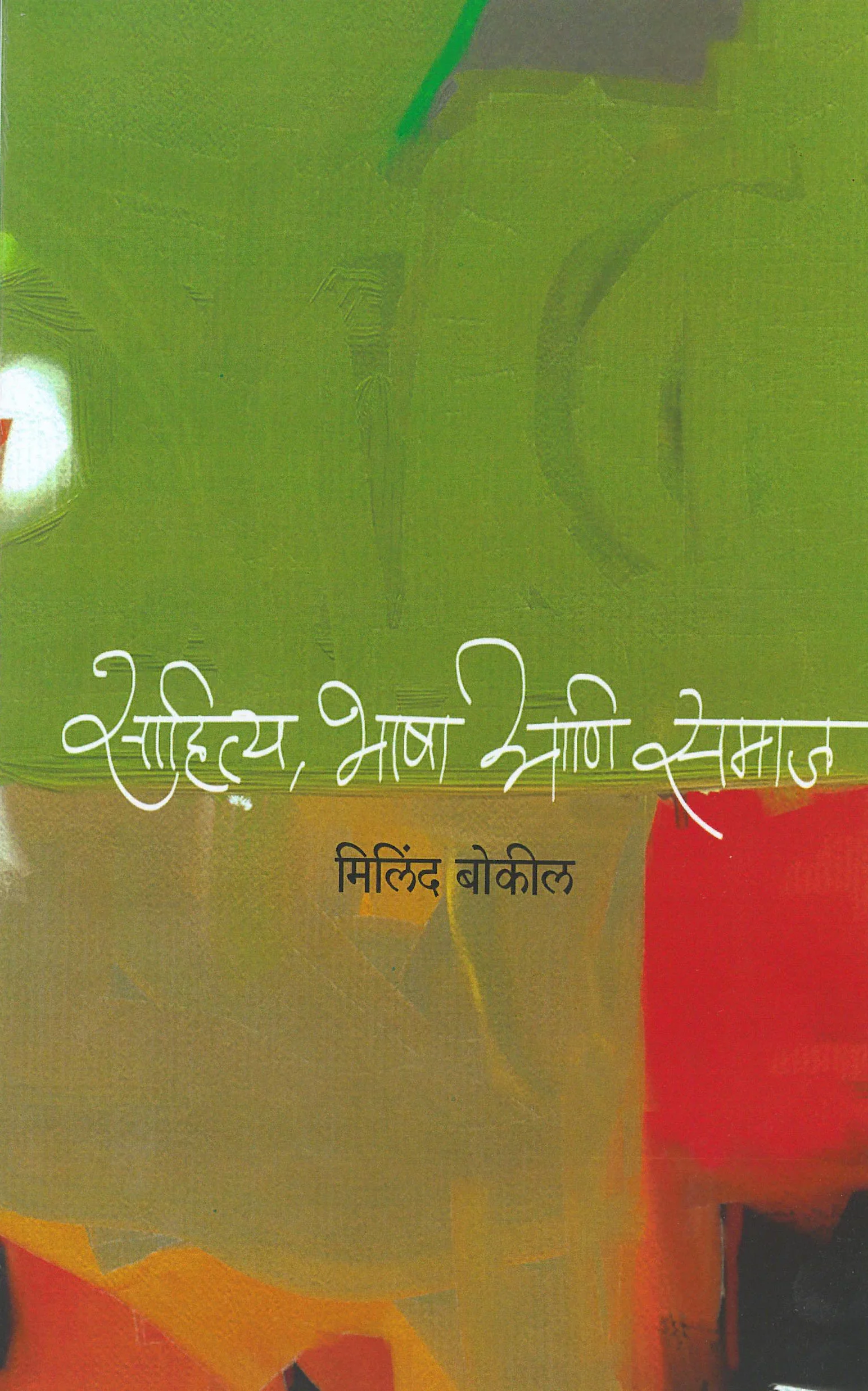
Sahitya Bhasha Ani Samaj
Sahitya Bhasha Ani Samaj
Book Details
• Author: Milind Bokil
• Category: Samiksha
• Pages: 124
• Cover: Hardbound
• ISBN: 9789350911105
About the Book
Sahitya Bhasha Ani Samaj is a critical exploration by Milind Bokil that examines the intricate relationship between literature, language, and society. The book explores how language shapes literature and how literature, in turn, influences social norms, values, and consciousness. By analyzing this dynamic interplay, the author provides a deeper understanding of the role of literature in reflecting and shaping societal structures. This samiksha volume is a valuable resource for students, scholars, and anyone interested in the intersection of literature, linguistics, and social thought.
Product Information
Product Information
Shipping & Returns
Shipping & Returns
Description
Book Details
• Author: Milind Bokil
• Category: Samiksha
• Pages: 124
• Cover: Hardbound
• ISBN: 9789350911105
About the Book
Sahitya Bhasha Ani Samaj is a critical exploration by Milind Bokil that examines the intricate relationship between literature, language, and society. The book explores how language shapes literature and how literature, in turn, influences social norms, values, and consciousness. By analyzing this dynamic interplay, the author provides a deeper understanding of the role of literature in reflecting and shaping societal structures. This samiksha volume is a valuable resource for students, scholars, and anyone interested in the intersection of literature, linguistics, and social thought.