Sei Sab Lekha: Prasanga Chalachchitra (1976-1990) (Bengali Version)
Book Details:
-
Author Name: Ranjan Bandyopadhyay
-
Publisher: Deep Prakashan
-
Binding: Hardcover
-
Language: Bengali
About the Book:
Sei Sab Lekha: Prasanga Chalachchitra (1976-1990) by Ranjan Bandyopadhyay is a fascinating exploration of the Indian film industry, focusing on the period from 1976 to 1990. This book delves into the evolution of Bengali cinema during this time, offering a comprehensive analysis of the films, filmmakers, actors, and the socio-political environment that shaped the movies of that era.
The book provides an insightful critique of the changing trends in Bengali cinema, from the traditional storytelling of the past to the more experimental and socially relevant films that emerged during the late 20th century. Ranjan Bandyopadhyay meticulously discusses the key films of the period, the directors behind them, and the impact these films had on both the audience and the broader cultural landscape.
Through his writing, the author brings to light the intricacies of Bengali cinema, shedding light on the performances, storytelling techniques, and thematic explorations that marked the era. The book is an invaluable resource for those interested in the history of Bengali cinema and its role in reflecting societal changes, as well as for film enthusiasts who want to understand the golden era of Bengali filmmaking.
The book stands as a tribute to a transformative period in Indian cinema, offering readers a rich understanding of how cinema reflected the changing dynamics of society. It is an essential read for cinephiles, scholars, and anyone interested in the development of Indian film, particularly in the Bengali context.
Product Information
Product Information
Shipping & Returns
Shipping & Returns
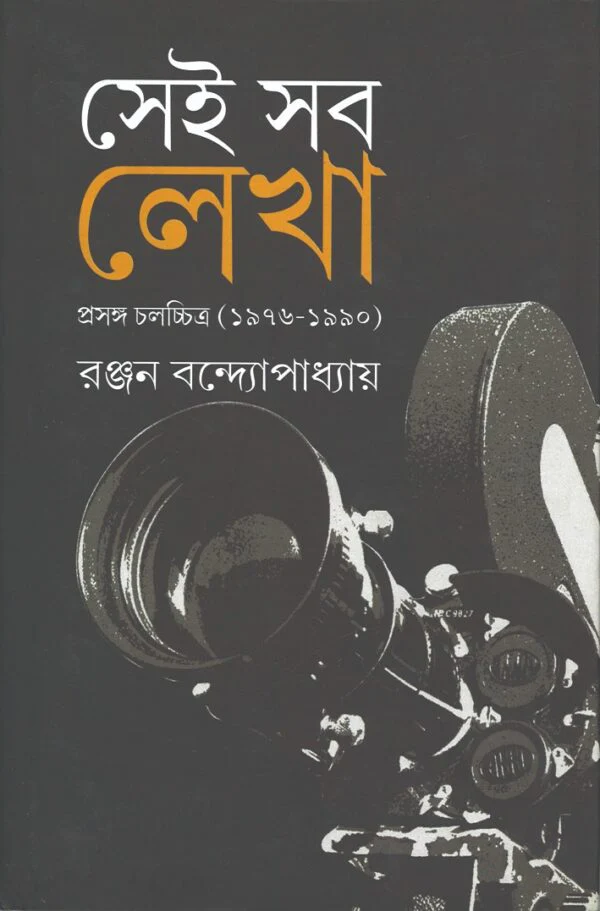
Sei Sab Lekha: Prasanga Chalachchitra (1976-1990) (Bengali Version)
Sei Sab Lekha: Prasanga Chalachchitra (1976-1990) (Bengali Version)
Book Details:
-
Author Name: Ranjan Bandyopadhyay
-
Publisher: Deep Prakashan
-
Binding: Hardcover
-
Language: Bengali
About the Book:
Sei Sab Lekha: Prasanga Chalachchitra (1976-1990) by Ranjan Bandyopadhyay is a fascinating exploration of the Indian film industry, focusing on the period from 1976 to 1990. This book delves into the evolution of Bengali cinema during this time, offering a comprehensive analysis of the films, filmmakers, actors, and the socio-political environment that shaped the movies of that era.
The book provides an insightful critique of the changing trends in Bengali cinema, from the traditional storytelling of the past to the more experimental and socially relevant films that emerged during the late 20th century. Ranjan Bandyopadhyay meticulously discusses the key films of the period, the directors behind them, and the impact these films had on both the audience and the broader cultural landscape.
Through his writing, the author brings to light the intricacies of Bengali cinema, shedding light on the performances, storytelling techniques, and thematic explorations that marked the era. The book is an invaluable resource for those interested in the history of Bengali cinema and its role in reflecting societal changes, as well as for film enthusiasts who want to understand the golden era of Bengali filmmaking.
The book stands as a tribute to a transformative period in Indian cinema, offering readers a rich understanding of how cinema reflected the changing dynamics of society. It is an essential read for cinephiles, scholars, and anyone interested in the development of Indian film, particularly in the Bengali context.
Original: $2.98
-70%$2.98
$0.89Product Information
Product Information
Shipping & Returns
Shipping & Returns
Description
Book Details:
-
Author Name: Ranjan Bandyopadhyay
-
Publisher: Deep Prakashan
-
Binding: Hardcover
-
Language: Bengali
About the Book:
Sei Sab Lekha: Prasanga Chalachchitra (1976-1990) by Ranjan Bandyopadhyay is a fascinating exploration of the Indian film industry, focusing on the period from 1976 to 1990. This book delves into the evolution of Bengali cinema during this time, offering a comprehensive analysis of the films, filmmakers, actors, and the socio-political environment that shaped the movies of that era.
The book provides an insightful critique of the changing trends in Bengali cinema, from the traditional storytelling of the past to the more experimental and socially relevant films that emerged during the late 20th century. Ranjan Bandyopadhyay meticulously discusses the key films of the period, the directors behind them, and the impact these films had on both the audience and the broader cultural landscape.
Through his writing, the author brings to light the intricacies of Bengali cinema, shedding light on the performances, storytelling techniques, and thematic explorations that marked the era. The book is an invaluable resource for those interested in the history of Bengali cinema and its role in reflecting societal changes, as well as for film enthusiasts who want to understand the golden era of Bengali filmmaking.
The book stands as a tribute to a transformative period in Indian cinema, offering readers a rich understanding of how cinema reflected the changing dynamics of society. It is an essential read for cinephiles, scholars, and anyone interested in the development of Indian film, particularly in the Bengali context.