Swami Vivekananda O Bangalir Secular Vivek (Bengali Version)
Book Details
-
Author: Ashish Lahiri
-
Publisher: Ababhash
-
Language: Bengali
-
ISBN: 9789380732206
-
Pages: 160
-
First Edition: November 2012
-
Fourth Edition: June 2024
-
Format: Paperback
-
Size: 21.5 x 14 cm
-
Price: ₹275
About the Book
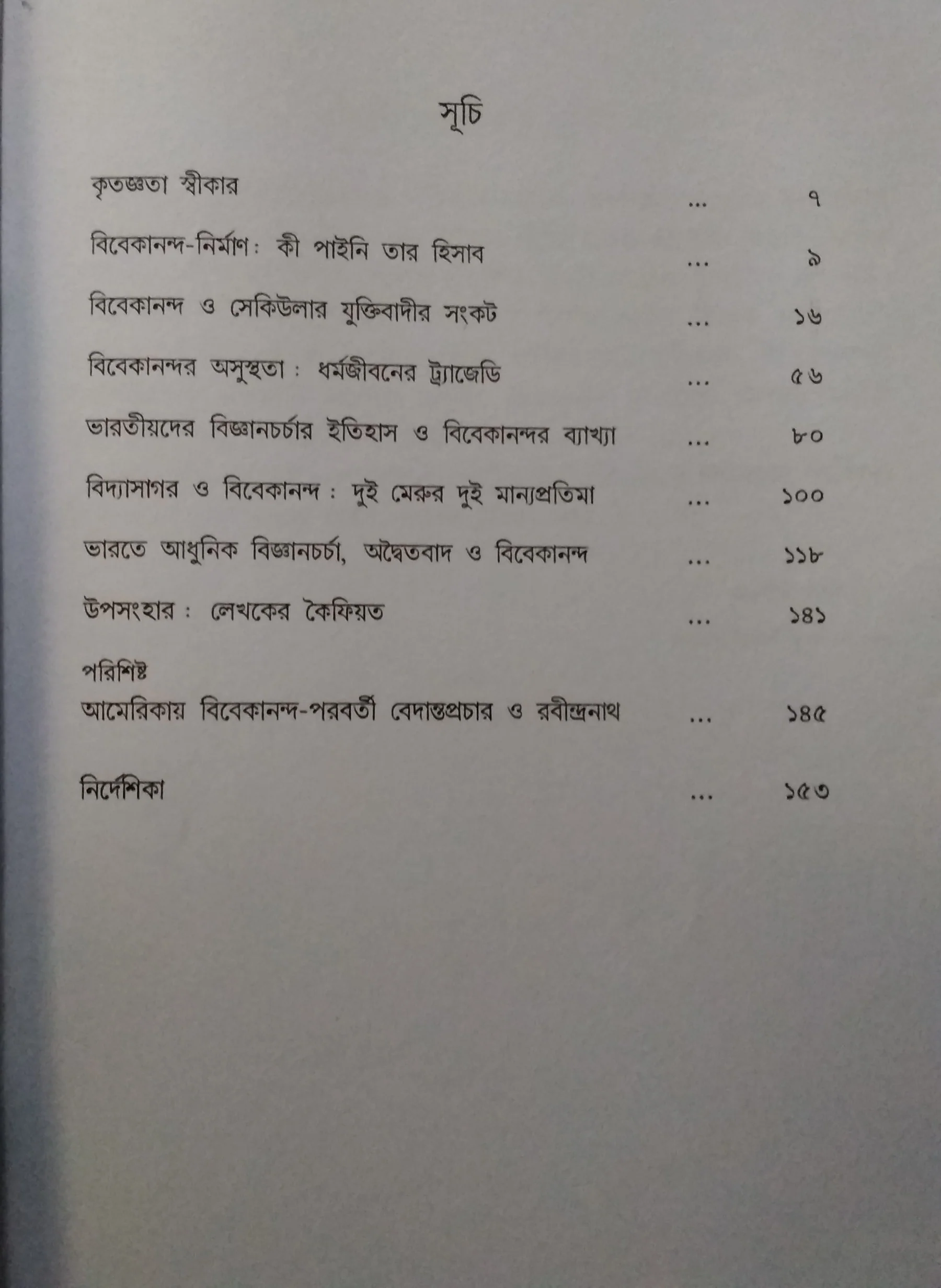
This provocative and analytical work examines the ideological tensions within the Bengali intellectual tradition. The author contrasts two paradigms: the rational, secular outlook associated with Ishwar Chandra Vidyasagar and the religious-spiritual paradigm shaped by Swami Vivekananda. According to the book, the Bengali mind has long been caught between these competing visions.
Ashish Lahiri re-evaluates the life of Narendranath Datta (later Swami Vivekananda), highlighting his scepticism, intellectual depth, cultural refinement, and organisational brilliance. The study argues that his immense potential might have taken different socio-political directions had it not been channelled predominantly through religion. In doing so, the book attempts to untangle the perceived contradictions in Vivekananda’s life and thought—without diminishing his stature.
At 160 pages, this paperback offers a critical, historically grounded exploration of secularism, religion, and the evolution of Bengali modernity.
Product Information
Product Information
Shipping & Returns
Shipping & Returns


Swami Vivekananda O Bangalir Secular Vivek (Bengali Version)
Swami Vivekananda O Bangalir Secular Vivek (Bengali Version)
Book Details
-
Author: Ashish Lahiri
-
Publisher: Ababhash
-
Language: Bengali
-
ISBN: 9789380732206
-
Pages: 160
-
First Edition: November 2012
-
Fourth Edition: June 2024
-
Format: Paperback
-
Size: 21.5 x 14 cm
-
Price: ₹275
About the Book
This provocative and analytical work examines the ideological tensions within the Bengali intellectual tradition. The author contrasts two paradigms: the rational, secular outlook associated with Ishwar Chandra Vidyasagar and the religious-spiritual paradigm shaped by Swami Vivekananda. According to the book, the Bengali mind has long been caught between these competing visions.
Ashish Lahiri re-evaluates the life of Narendranath Datta (later Swami Vivekananda), highlighting his scepticism, intellectual depth, cultural refinement, and organisational brilliance. The study argues that his immense potential might have taken different socio-political directions had it not been channelled predominantly through religion. In doing so, the book attempts to untangle the perceived contradictions in Vivekananda’s life and thought—without diminishing his stature.
At 160 pages, this paperback offers a critical, historically grounded exploration of secularism, religion, and the evolution of Bengali modernity.
Original: $2.64
-70%$2.64
$0.79Product Information
Product Information
Shipping & Returns
Shipping & Returns
Description
Book Details
-
Author: Ashish Lahiri
-
Publisher: Ababhash
-
Language: Bengali
-
ISBN: 9789380732206
-
Pages: 160
-
First Edition: November 2012
-
Fourth Edition: June 2024
-
Format: Paperback
-
Size: 21.5 x 14 cm
-
Price: ₹275
About the Book
This provocative and analytical work examines the ideological tensions within the Bengali intellectual tradition. The author contrasts two paradigms: the rational, secular outlook associated with Ishwar Chandra Vidyasagar and the religious-spiritual paradigm shaped by Swami Vivekananda. According to the book, the Bengali mind has long been caught between these competing visions.
Ashish Lahiri re-evaluates the life of Narendranath Datta (later Swami Vivekananda), highlighting his scepticism, intellectual depth, cultural refinement, and organisational brilliance. The study argues that his immense potential might have taken different socio-political directions had it not been channelled predominantly through religion. In doing so, the book attempts to untangle the perceived contradictions in Vivekananda’s life and thought—without diminishing his stature.
At 160 pages, this paperback offers a critical, historically grounded exploration of secularism, religion, and the evolution of Bengali modernity.