the panchayat tradition
Book Details
• Author: Mario D. Zamora
• Publisher: Reliance Publishing House
• Language: English
• Published Year: 1990
• Pages: 260
• Dimensions: 22 x 14 cm
• Binding: Hardback
• ISBN: 8185047448
• Book Condition: Used – Good
• Condition Note: Book is in good condition.
• Availability: In Stock
About the Book
The Panchayat Tradition by Mario D. Zamora offers a detailed study of the evolution of local governance in North Indian villages. The book examines the historical roots of the traditional panchayat system and its transformation into modern Panchayati Raj institutions in independent India.
Through careful research and sociological analysis, Zamora explores how village councils functioned as local institutions responsible for dispute resolution, community decision-making, and maintaining social order. The work highlights the cultural and social foundations of these councils and the ways in which they adapted to changing political and administrative structures.
The book also discusses the integration of traditional governance systems into the modern framework of decentralized administration, emphasizing the significance of Panchayati Raj in promoting grassroots democracy and rural development.
Ideal for students, researchers, and readers interested in sociology, political science, and rural governance, this volume provides valuable insights into the history and functioning of local self-governance in India.
Product Information
Product Information
Shipping & Returns
Shipping & Returns
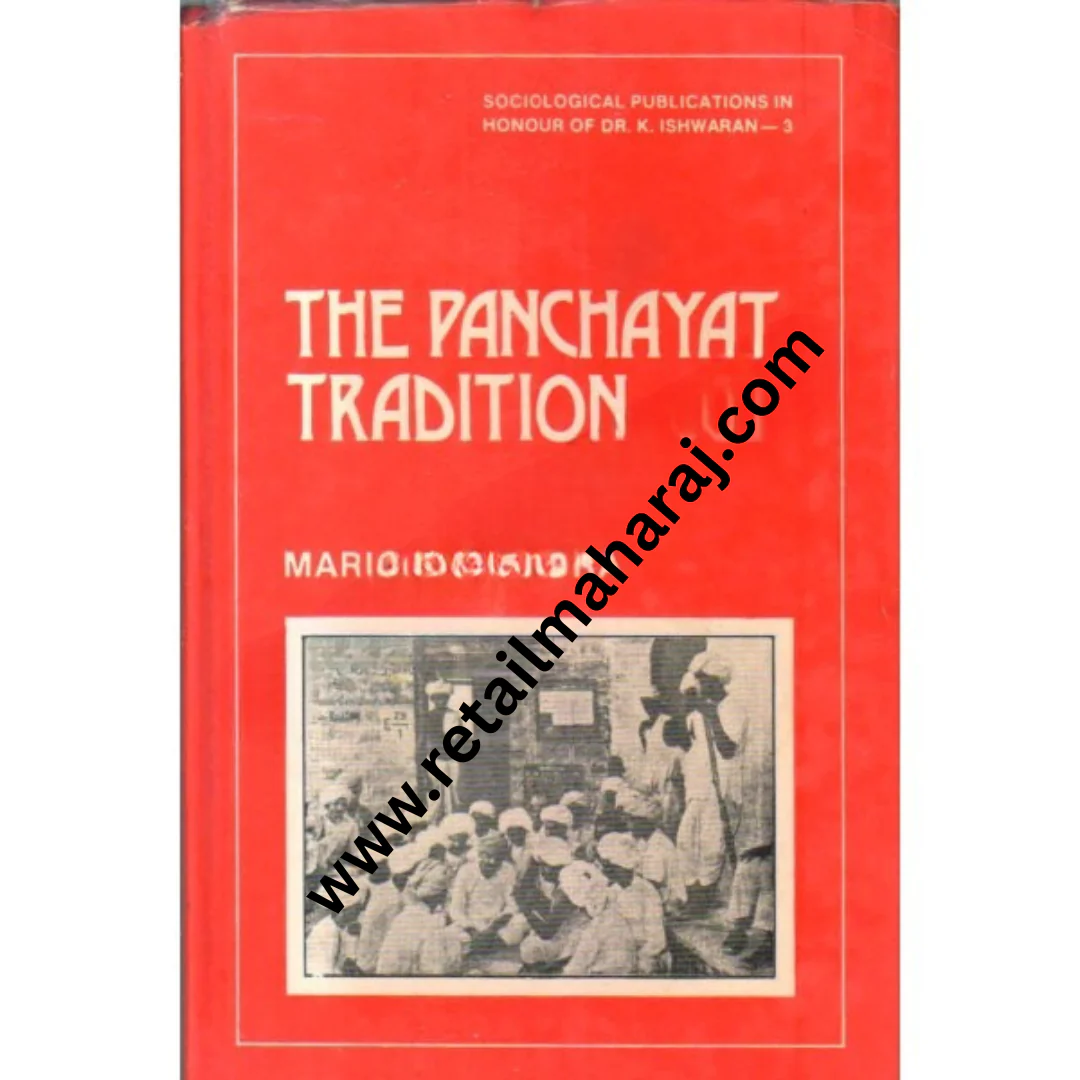
the panchayat tradition
the panchayat tradition
Book Details
• Author: Mario D. Zamora
• Publisher: Reliance Publishing House
• Language: English
• Published Year: 1990
• Pages: 260
• Dimensions: 22 x 14 cm
• Binding: Hardback
• ISBN: 8185047448
• Book Condition: Used – Good
• Condition Note: Book is in good condition.
• Availability: In Stock
About the Book
The Panchayat Tradition by Mario D. Zamora offers a detailed study of the evolution of local governance in North Indian villages. The book examines the historical roots of the traditional panchayat system and its transformation into modern Panchayati Raj institutions in independent India.
Through careful research and sociological analysis, Zamora explores how village councils functioned as local institutions responsible for dispute resolution, community decision-making, and maintaining social order. The work highlights the cultural and social foundations of these councils and the ways in which they adapted to changing political and administrative structures.
The book also discusses the integration of traditional governance systems into the modern framework of decentralized administration, emphasizing the significance of Panchayati Raj in promoting grassroots democracy and rural development.
Ideal for students, researchers, and readers interested in sociology, political science, and rural governance, this volume provides valuable insights into the history and functioning of local self-governance in India.
Original: $5.86
-70%$5.86
$1.76Product Information
Product Information
Shipping & Returns
Shipping & Returns
Description
Book Details
• Author: Mario D. Zamora
• Publisher: Reliance Publishing House
• Language: English
• Published Year: 1990
• Pages: 260
• Dimensions: 22 x 14 cm
• Binding: Hardback
• ISBN: 8185047448
• Book Condition: Used – Good
• Condition Note: Book is in good condition.
• Availability: In Stock
About the Book
The Panchayat Tradition by Mario D. Zamora offers a detailed study of the evolution of local governance in North Indian villages. The book examines the historical roots of the traditional panchayat system and its transformation into modern Panchayati Raj institutions in independent India.
Through careful research and sociological analysis, Zamora explores how village councils functioned as local institutions responsible for dispute resolution, community decision-making, and maintaining social order. The work highlights the cultural and social foundations of these councils and the ways in which they adapted to changing political and administrative structures.
The book also discusses the integration of traditional governance systems into the modern framework of decentralized administration, emphasizing the significance of Panchayati Raj in promoting grassroots democracy and rural development.
Ideal for students, researchers, and readers interested in sociology, political science, and rural governance, this volume provides valuable insights into the history and functioning of local self-governance in India.